


Post-Surgery Rehab Journey: What Patients Really Experience at Our Doral Clinic
You made it through surgery. The procedure is behind you, and now you are looking ahead, wondering what comes next. If you are feeling uncertain, anxious, or even a little overwhelmed about your post-surgery rehab journey, you are not alone. Many patients walk through our doors at Hands On Therapy Services in Doral, FL, carrying those exact feelings.
Here is the truth that many people are not told before surgery: the procedure itself is only half the battle. What you do afterward, during the rehabilitation phase, often determines how much strength, mobility, and function you actually regain. Without proper guidance, patients can end up stuck in a frustrating cycle of stiffness, pain, and limited movement that makes everyday tasks feel impossible.
At Hands On Therapy Services, led by Certified Hand Therapist Hoang Tran, we specialize in helping patients navigate the post-surgery rehab journey with confidence, clarity, and a personalized plan designed to get you back to the life you love. Whether you have had surgery on your hand, wrist, elbow, or shoulder, our team understands the unique challenges of upper extremity recovery and is here to walk beside you every step of the way.
Why Post-Surgery Rehab Matters More Than Most People Realize
Many patients assume that once the surgeon has done their work, healing will simply happen on its own. Rest, time, and patience should be enough, right? Unfortunately, the body does not always cooperate that easily.
After surgery on your hand, wrist, elbow, or shoulder, your body goes through a natural healing response that includes inflammation, scar tissue formation, and muscle guarding. While these responses are normal, they can lead to significant problems if not properly managed:
- Scar tissue buildup can limit the movement of tendons, joints, and soft tissue around the surgical site, causing persistent stiffness.
- Muscle weakness and atrophy develop quickly when an area is immobilized, making it harder to perform daily activities like gripping, lifting, or reaching.
- Joint stiffness can set in within weeks, and the longer it persists, the more difficult it becomes to restore full range of motion.
- Persistent scar pain after surgery can make patients hesitant to use the affected area, which only leads to more stiffness and weakness over time.
These are not rare complications. They are common experiences that affect the majority of post-surgical patients. And this is precisely why a structured, expert-guided post-surgery rehab journey is so important. The right rehabilitation program addresses these challenges early, before they become long-term limitations that keep you from living the active, independent life you deserve.
Why Rest, Pills, and Waiting It Out Often Fall Short
When patients experience pain and stiffness after surgery, the first instinct is often to rest more, take pain medication, or simply wait for things to improve. While rest is important in the earliest days of recovery, relying on these approaches alone rarely produces the results patients are looking for.
Rest without guided movement can actually work against you. When joints and tendons stay immobilized for too long, scar tissue forms in patterns that restrict movement. The body essentially “locks down” the area, making it increasingly difficult to regain flexibility and function. Many patients who rest too long find themselves dealing with frozen shoulder, trigger fingers, or severe stiffness that could have been prevented with early intervention.
Pain medications may mask symptoms temporarily, but they do not address the underlying mechanical issues causing your discomfort. Stiff joints, tight scar tissue, and weak muscles need targeted therapeutic intervention to heal properly. Medication alone cannot restore the precise movements your hand or shoulder needs to function well.
Waiting it out is perhaps the most common and most costly mistake. Research consistently shows that early rehabilitation after surgery leads to better outcomes. The longer you wait, the harder it becomes to break through scar tissue adhesions and restore normal movement patterns. Every week of delay can add weeks to your overall recovery timeline.
This is not to say that rest and medication have no place in recovery. They do. But they work best when combined with a structured, hands-on rehabilitation program delivered by a specialist who understands the intricacies of post-surgical healing.
How Hands On Therapy Services Addresses the Root Cause of Post-Surgical Challenges
At Hands On Therapy Services, our approach to post-surgery rehabilitation goes far beyond generic exercises or one-size-fits-all protocols. We focus on identifying and treating the specific root causes of your pain, stiffness, and functional limitations so you can recover fully and with confidence.
When you begin your occupational & physical therapy program with us, it starts with a thorough one-on-one evaluation. Certified Hand Therapist Hoang Tran and our team take the time to understand your surgical procedure, your surgeon’s protocols, your current range of motion, your pain levels, and most importantly, your personal goals. Whether you want to return to work, pick up your grandchild, play golf again, or simply button your own shirt without pain, we build your program around what matters most to you.
Here is what makes our approach different:
- Personalized treatment plans: No two surgeries and no two patients are the same. Your rehab plan is tailored to your specific procedure, your body’s healing response, and your lifestyle needs.
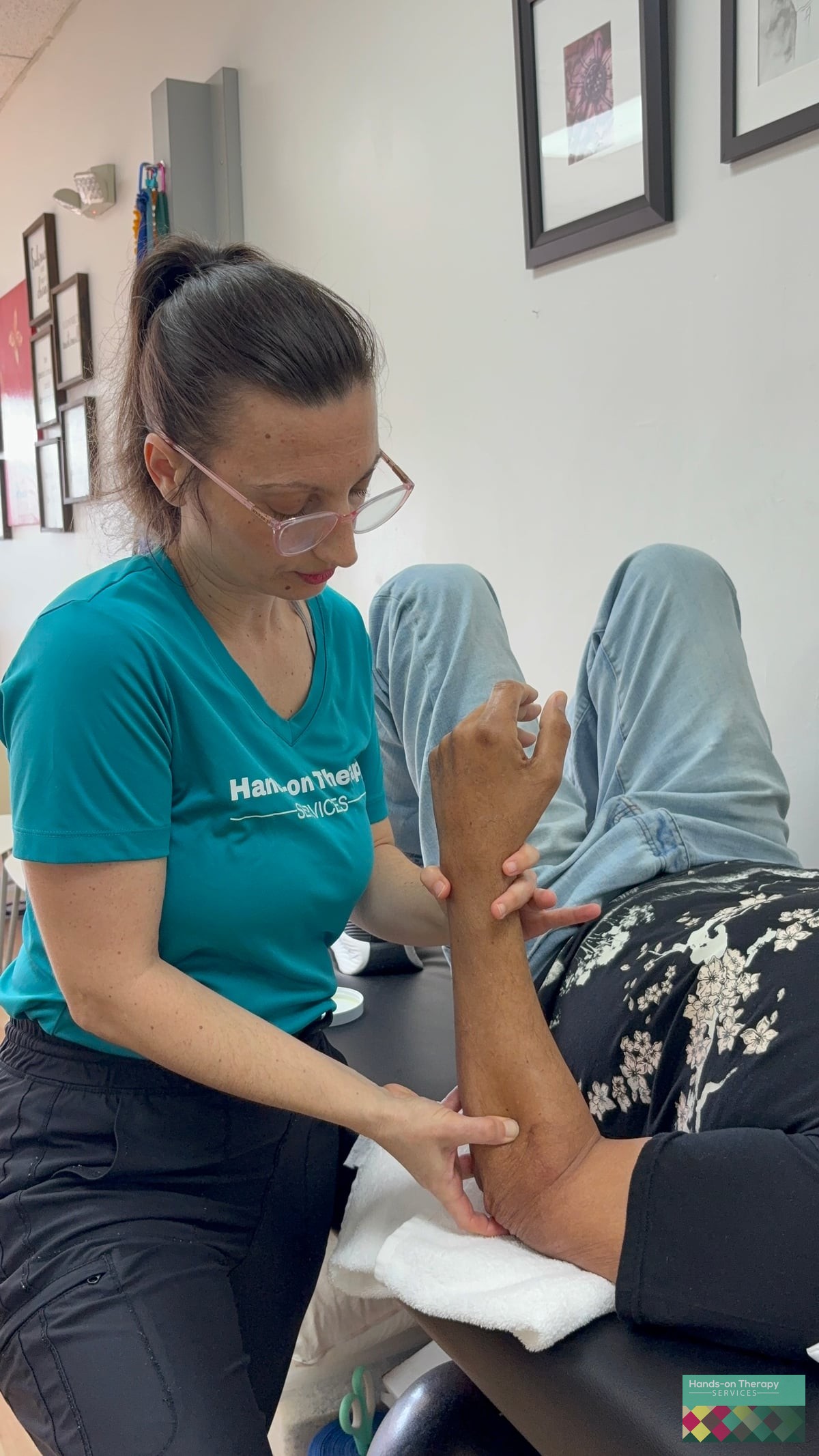
- Hands-on manual therapy: Our therapists use skilled manual techniques including scar tissue mobilization, joint mobilization, soft tissue work, and gentle stretching to break through adhesions and restore movement naturally.
- Progressive strengthening: We carefully progress your exercises at the right pace, challenging your muscles enough to rebuild strength without compromising surgical repairs.
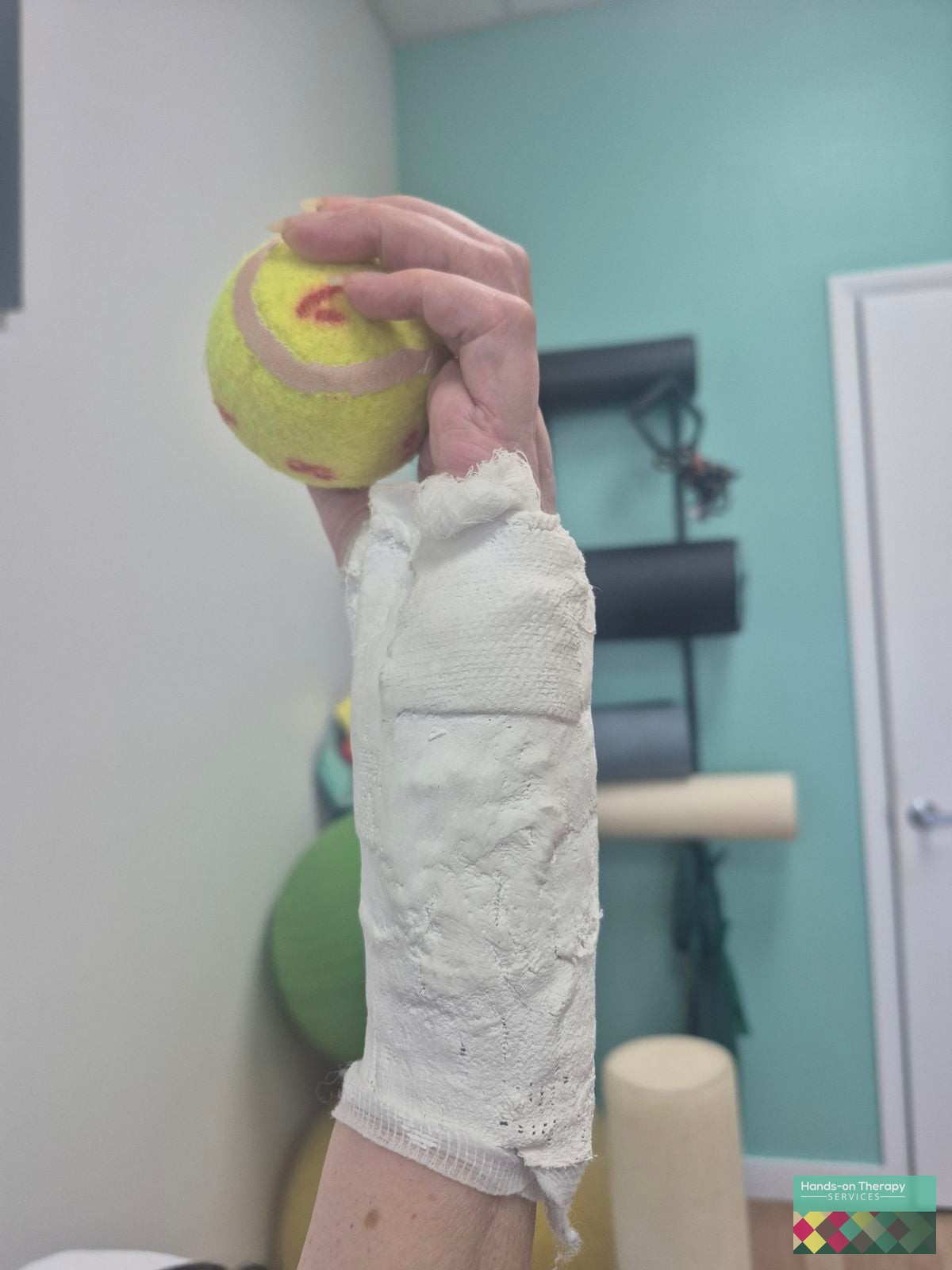
- Custom splinting and orthotic fabrication: When needed, we create custom splints to protect healing structures, position joints properly, and support your recovery between sessions.
- Patient education: We empower you with the knowledge and home exercise tools you need to actively participate in your own recovery every single day.
This comprehensive, root-cause approach is why many of our patients achieve results they did not think were possible, even after other clinics have fallen short. We do not just treat symptoms. We help you rebuild function from the ground up.
5 Practical Tips to Support Your Post-Surgery Recovery at Home
While professional therapy is essential for optimal recovery, there are several things you can do at home between sessions to support your healing and keep making progress. These gentle strategies are safe for most post-surgical patients, but we always recommend consulting with your therapist before starting any new exercises or routines.
- Perform gentle finger or wrist gliding exercises: If your surgeon and therapist have cleared you for movement, simple tendon gliding exercises can help prevent scar tissue from binding tendons together. Start by making a straight fist, then a hook fist, then a full fist, holding each position for five seconds. Repeat ten times, two to three times daily. These small movements make a big difference in maintaining tendon mobility.
- Elevate and manage swelling: Keep your affected hand or arm elevated above your heart level, especially in the first few weeks after surgery. Gentle compression wraps, as recommended by your therapist, can also help control edema (swelling) that contributes to stiffness and discomfort.
- Practice scar massage when cleared: Once your incision has fully closed and your therapist gives the green light, gentle scar massage using a moisturizer or vitamin E oil can help soften scar tissue and reduce sensitivity. Use small, circular motions and apply moderate pressure for two to three minutes, several times a day.
- Stay consistent with your home exercise program: The exercises your therapist assigns are specifically chosen for your stage of recovery. Doing them consistently, even on days when you feel tired or frustrated, is one of the most powerful things you can do to accelerate your progress. Think of each session as a small investment that compounds over time.
- Track your progress and celebrate small wins: Recovery after surgery is not always linear. Some days will feel better than others. Keep a simple journal noting your range of motion improvements, decreased pain levels, or new activities you can perform. Recognizing progress, no matter how small, helps maintain motivation throughout your post-surgery rehab journey.
A Day in the Post-Surgery Rehab Journey: One Patient’s Experience
To give you a picture of what rehabilitation actually looks like at our clinic, consider the experience of a patient we will call Luciana (a composite scenario based on typical patient experiences at our clinic).
Luciana is a 52-year-old office manager from Doral who had surgery to repair a rotator cuff tear in her right shoulder. Two weeks after her procedure, she arrived at Hands On Therapy Services feeling scared and frustrated. She could barely lift her arm, her shoulder felt locked in place, and she was worried she might never regain the ability to reach overhead or carry grocery bags without pain.
During her first visit, our team performed a detailed evaluation of Luciana’s shoulder mobility, strength, scar tissue development, and pain levels. They reviewed her surgeon’s post-operative protocol and discussed Luciana’s personal goals: returning to work comfortably, sleeping without shoulder pain, and eventually getting back to her weekend tennis matches.
Over the following weeks, Luciana’s therapy sessions included gentle range-of-motion exercises, manual therapy to address soft tissue tightness, and progressive strengthening as her surgical repair healed. Her therapist adjusted the plan every session based on how Luciana’s body was responding. On days when progress felt slow, the team reassured her that healing takes time and reminded her of how far she had already come.
By week eight, Luciana could reach overhead without pain. By week twelve, she was back at work full-time with no limitations. And by week sixteen, she was back on the tennis court, serving with confidence. Luciana’s story is not unusual. It is the kind of outcome our team works toward with every patient who walks through our doors.
What made the difference for Luciana was not just the exercises. It was the personalized attention, the expert guidance, and the consistent encouragement she received from a team that genuinely cared about her recovery.
Your Post-Surgery Rehab Journey Starts Here
Recovery after surgery does not have to feel lonely, confusing, or overwhelming. With the right team by your side, every step forward becomes clearer and more achievable. At Hands On Therapy Services in Doral, FL, we have helped countless patients move from post-surgical uncertainty to renewed strength, mobility, and independence.
Whether you are recovering from hand surgery, a rotator cuff repair, elbow surgery, or any upper extremity procedure, our team of certified specialists is ready to create a rehabilitation plan built around your unique needs and goals. Led by Certified Hand Therapist Hoang Tran, author of The Hands-On Approach, our clinic delivers the one-on-one, expert-guided care that makes a real difference in outcomes.
You do not have to navigate this journey alone. And you do not have to settle for stiffness, weakness, or lingering pain as your “new normal.”
Take the first step today. Book your free Discovery Visit at Hands On Therapy Services to learn how we can help you recover fully and get back to the activities you love. Call us at 786-615-9879 or visit us at 7902 NW 36th St, Suite 207, Doral, FL 33166. Your best recovery is ahead of you, and we are here to help you reach it.
Common Questions About Post-Surgery Rehabilitation
When should I start rehab after surgery?
The timing depends on your specific procedure and your surgeon’s recommendations. Many patients begin therapy within one to two weeks after surgery, while some conditions require a longer period of immobilization first. At Hands On Therapy Services, we coordinate closely with your surgeon to ensure your rehab begins at the ideal time for your healing process. Early intervention generally leads to better outcomes, so we encourage you to schedule your evaluation as soon as your surgeon gives clearance.
How long does post-surgery rehabilitation typically take?
Recovery timelines vary depending on the type of surgery, the complexity of your condition, and your body’s individual healing response. Simple procedures may require six to eight weeks of therapy, while more complex surgeries such as rotator cuff repairs or tendon reconstructions can require twelve to sixteen weeks or longer. Your therapist will give you a realistic timeline based on your specific situation and adjust your program as you progress.
Will post-surgery rehab be painful?
Some discomfort during rehabilitation is normal, especially as we work to restore range of motion and break through scar tissue. However, our therapists are highly skilled at managing your comfort level throughout every session. We communicate with you constantly and adjust techniques based on your feedback. Our goal is to challenge your healing tissues just enough to promote recovery without causing unnecessary pain.
What if I had surgery somewhere else? Can I still come to your clinic for rehab?
Absolutely. We welcome patients who had surgery with any surgeon or at any facility. Many patients are referred to us specifically because of our specialization in hand and upper extremity rehabilitation. Certified Hand Therapist Hoang Tran and our team have extensive experience working with a wide range of surgical procedures. We coordinate with your surgeon to ensure seamless, effective rehabilitation.
Does Hands On Therapy Services accept workers’ compensation patients?
Yes. We work with patients recovering from workplace injuries, including those covered by workers’ compensation. Our team understands the unique requirements and documentation needs associated with workers’ comp cases, and we are committed to helping you recover fully so you can return to work safely and confidently.
This article was created with the help of AI. Images may also be AI-generated.


